
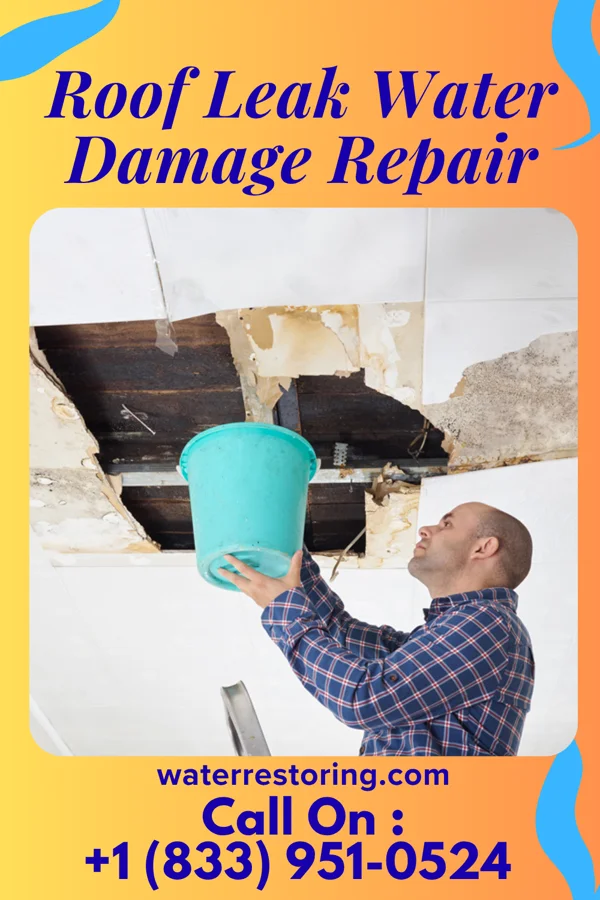
East Grand Forks Roof Leak Damage: What Owners Should Know
Residential or commercial, water damage emergencies in East Grand Forks keep coming back to the same drivers. East Grand Forks experiences frequent spring and summer thunderstorms, which can lead to sudden heavy rainfall and strong winds. These conditions often result in roof damage, particularly on older or improperly maintained structures. The region's cold winters also contribute to frozen gutters and ice dams, increasing the risk of water infiltration. sits at the top of the list. A close second is In the late spring and early summer, the area is prone to prolonged periods of rain, which can overwhelm roofing systems and lead to leaks. Additionally, the occasional summer hailstorm can cause physical damage to roofing materials, creating entry points for water..
The climate in East Grand Forks, characterized by cold winters and warm, humid summers, leads to frequent freeze-thaw cycles that can compromise roofing integrity. Additionally, the high humidity levels during the summer months increase the risk of mold and mildew growth in water-damaged areas.
Water damage in East Grand Forks follows a few local patterns. East Grand Forks experiences frequent spring and summer thunderstorms, which can lead to sudden heavy rainfall and strong winds. These conditions often result in roof damage, particularly on older or improperly maintained structures. The region's cold winters also contribute to frozen gutters and ice dams, increasing the risk of water infiltration. accounts for the bulk of our calls. The climate in East Grand Forks, characterized by cold winters and warm, humid summers, leads to frequent freeze-thaw cycles that can compromise roofing integrity. Additionally, the high humidity levels during the summer months increase the risk of mold and mildew growth in water-damaged areas. In East Grand Forks, mold can begin to grow within 48 hours of water exposure, especially in areas with high humidity. This poses a significant risk to indoor air quality and can lead to secondary damage such as warping of wood and weakening of structural components.